
 It’s still the case that the majority of Americans, as I’ve written over and over for years, would rather talk about anything—anything—but race. But many are talking about it seriously and more deeply than ever before. Let’s hope this talking, and the anti-racist actions that might come of it, keeps up for a long time. Maybe if it does, in 40 to 100 years we might see a more equal and just America.
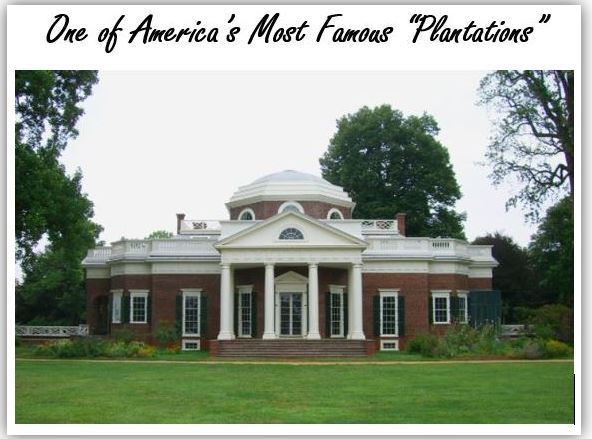
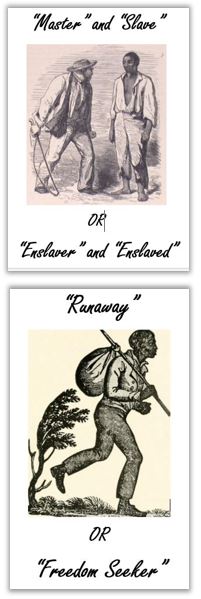
It also matters how we talk about race, what words and terms we use, for we usually talk in ways that already pre-dispose us towards racism, not away from it. We still  live the Civil War in romance terms, calling Confederate soldiers “rebels” instead of “insurrectionists.” We refer to the South’s defeat as “The Lost Cause,” and maintain some 1800 statues and other memorials to the Confederacy, while in Germany there are zero monuments to the Nazis. We speak of “master and slave” instead of “enslaver and enslaved.” We continue to call slaves who escaped, or tried to, “runaways,” not “freedom seekers.” And we speak of “plantations,” replete with mansions and live oaks and vast lawns, instead of, for example, “forced labor camps,” which was certainly what was going on there.
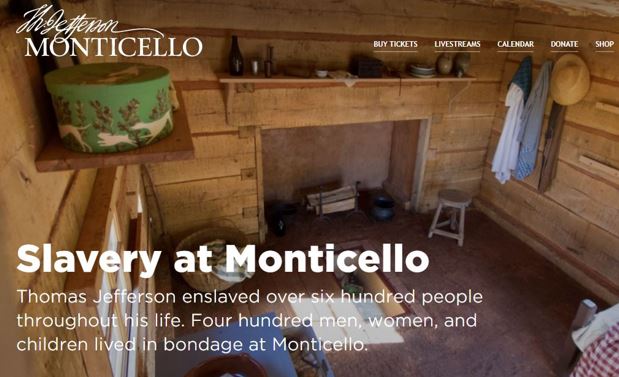
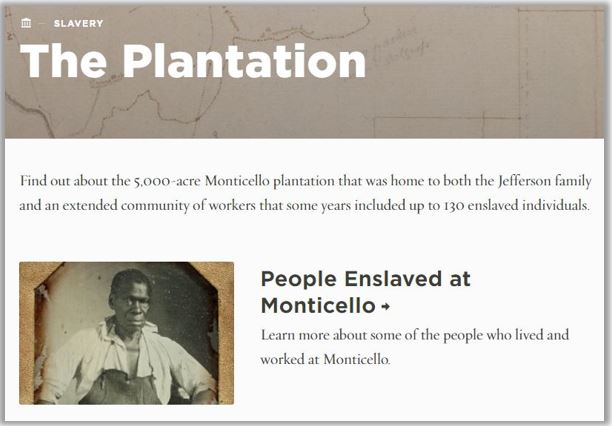
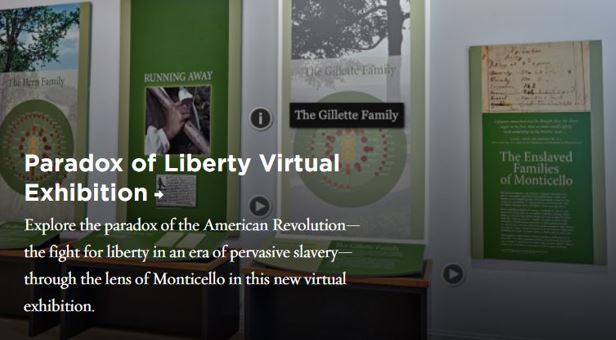
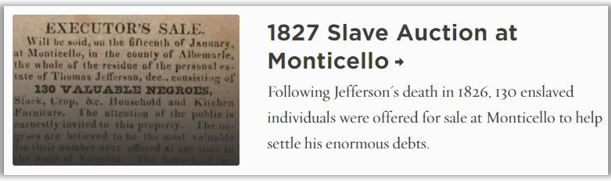
I’m a Ph.D. graduate from the University of Virginia, “Mr. Jefferson’s University,” so am somewhat gratified that it seems to be taking slavery somewhat seriously, as witness the UVA magazine Virginia, many of whose latest cover stories highlight issues of slavery and discrimination. As I write now, I’m glancing at the Summer 2021 issue, where white words standing out from a dark background read: “SAFE HOUSE. A place where UVA’s first Black students could feel at home.” Even more, Monticello itself, Mr. Jefferson’s “plantation”—or “forced labor camp”—seems to be taking the paradox and language of slavery seriously as well. Below, this post shows several pictures taken from the Monticello website itself, which I encourage you to visit. Click on the Menu, then the link to a large section on Slavery. It calls the “slaves” “enslaved individuals,” “enslaved people.” It acknowledges “the paradox of the American Revolution—the fight for liberty in an era of pervasive slavery.” I especially like the ironies of one of its main pages, which says that “Thomas Jefferson enslaved over 600 people throughout his life,” but still retains the usual tabs so that you can click to “Buy Tickets,” access “Livestreams,” check the “Calendar,” “Donate,” and “Shop.” Another item, whose ironies are heavier and more bitter, is the newspaper ad announcing the auction of “130 Valuable Negroes,” held at Jefferson’s death to help settle his enormous debts.
 In this era of cancel culture and statue removal, it’s important for me to say that I don’t support it in all cases. My friend, Professor Stephen Maynard Caliendo, says this near the beginning of his book Inequality in America: Race, Poverty, and Fulfilling Democracy’s Promise. “The men who designed the US system of government in the latter part of the eighteenth century present a frustrating paradox to current students of American politics. The Founding Fathers brilliantly devised a structure of government that would last, relatively unchanged, for well over two hundred years (and counting). They were deeply flawed, however, with respect to their inability to reconcile the sweeping promises they articulated in the founding documents with the reality of widespread and brutal inequality that characterized the nation at that time. We celebrate the Founding Fathers by honoring their birthdays, displaying them on our currency, and studying them in our classrooms. But we need to qualify our admiration because their personal lives and public actions did not fully reflect their rhetoric and broader beliefs. In short, American democracy is at once vibrant because of their vision and imperfect because of their blind spots.”
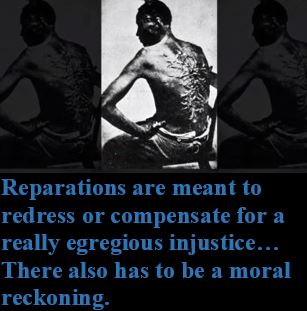
It’s not a matter of cancelling the “Founding Fathers” but telling the whole story. Language matters. Whole stories matter. We cling to American Exceptionalism, to America as that City on a Hill illuminating the world with its light. We could become more “exceptional” if we faced the whole story and acknowledged that a staggering amount of our exceptional culture and prosperity was built on the back of enslaved people, people who also literally built much of that City on a Hill: Monticello, The University of Virginia, the White House itself….
♦ This essay is part of a series, much of it related to the anti-racism workshop Becoming the Beloved Community. Go the Lead Post in this series.